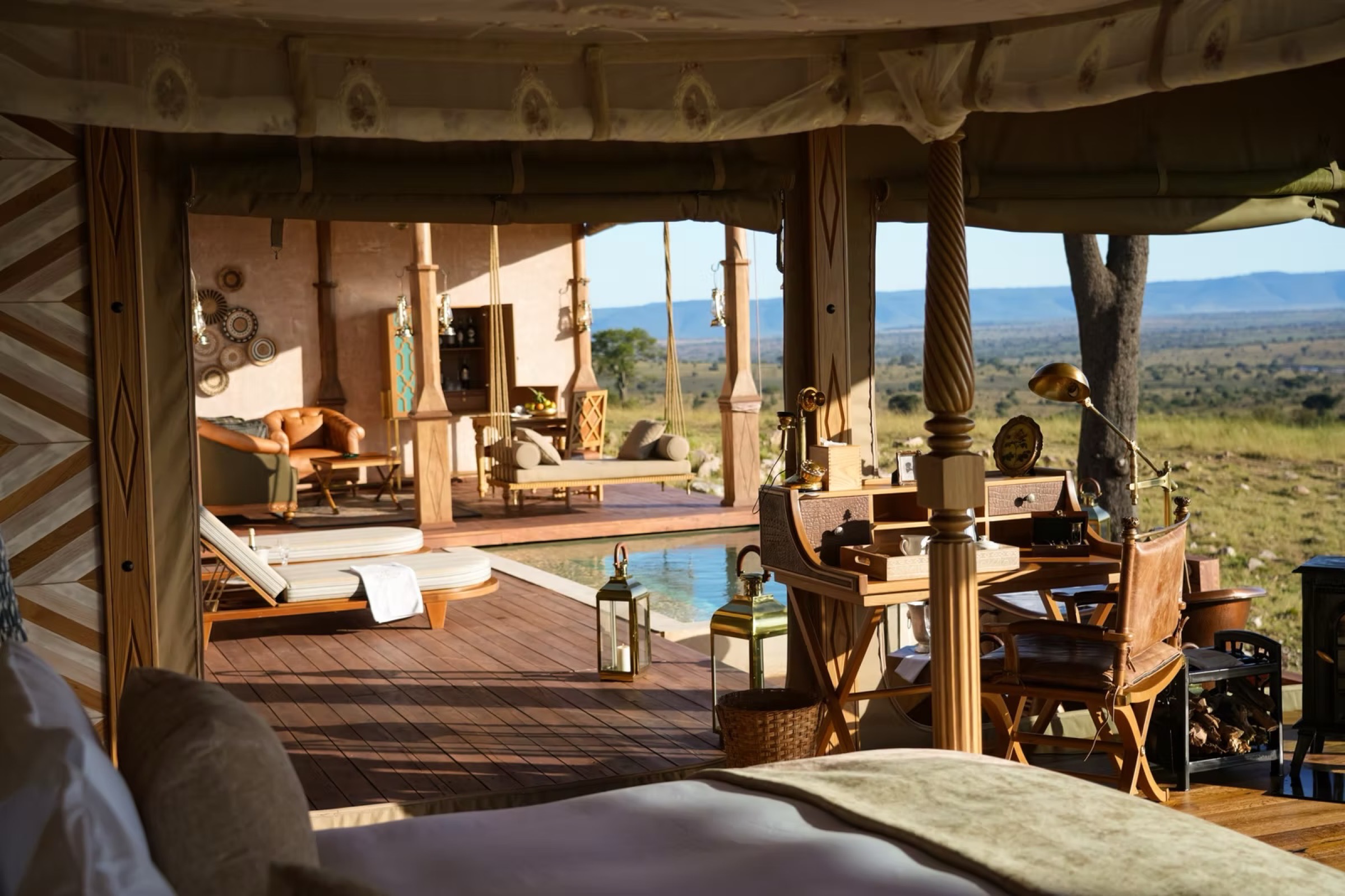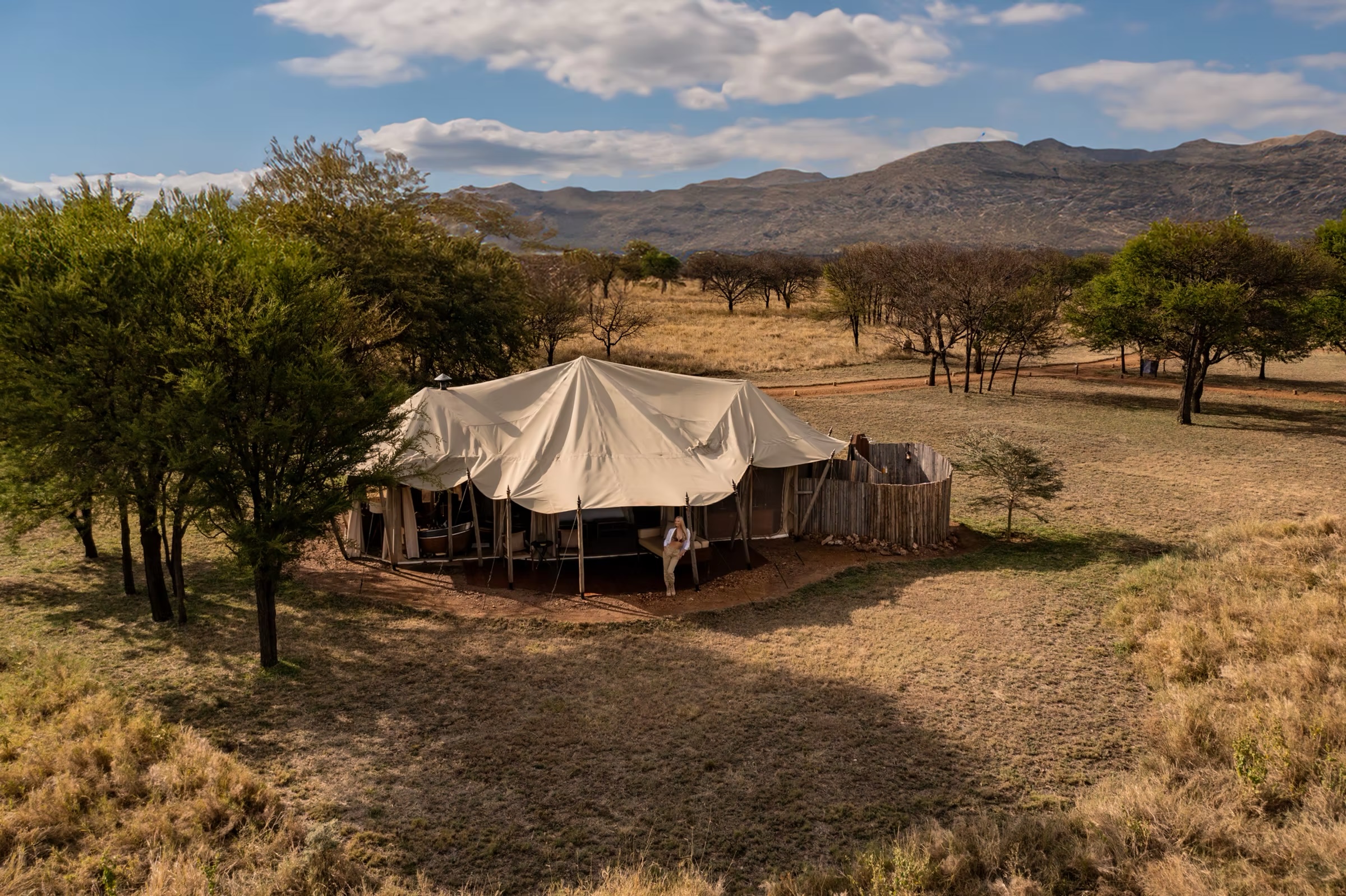
A safari is the trip where packing badly is felt immediately. You leave before sunrise in the cold, you are in full sun by ten, and you cannot go back to the room until the drive ends. Then there is the luggage limit on the light aircraft, which is smaller than most people expect.

Start with the luggage limit
Camps are reached by light aircraft, and the allowance is strict: usually 15 to 20 kg in total, in a soft bag with no wheels or frame, because rigid cases do not fit the hold. Check the exact figure with your camp before packing, and remember it includes your camera gear.
Layers, not outfits
In August the Serengeti sat around 25 °C in the daytime and turned genuinely cold at night — we lived in light layers and a jacket for the early drives. That pattern holds across most of the safari calendar: mornings and evenings cold, middle of the day hot.
- Two pairs of light trousers, neutral colours. Not white — dust — and not blue or black, which attract tsetse flies.
- Long-sleeved shirts for sun and insects.
- A warm mid-layer and a windproof jacket for dawn drives.
- A hat that stays on in an open vehicle, and sunglasses.
- Closed shoes for camp, trainers are fine; you are not trekking.
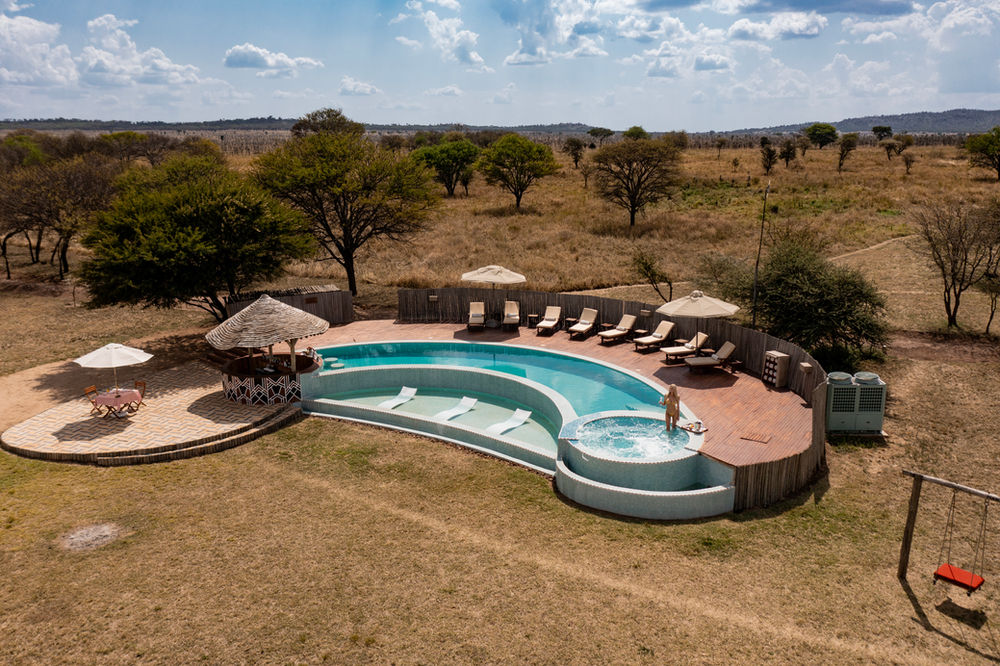
- Swimwear, because good camps have pools.
For the camera
The single most useful thing is a long lens; the second is a way to keep dust out. Vehicles are open, roads are dust, and a lens change in the field is a gamble. A beanbag or a folded fleece beats a tripod on a vehicle, and a spare battery matters because charging in a tented camp can be limited to certain hours.
Small things, large difference
- Insect repellent, and a long-sleeved layer for dusk.
- High-factor sun cream and lip balm: the light is relentless in an open vehicle.
- Binoculars — good camps provide them, but one pair between two people is not enough.
- Cash for tips, in small notes. Tipping is expected and staff should not have to make change.
- A dry bag or a large ziplock for your camera on dusty transfers.
What to leave at home
Hard suitcases, heels, a hairdryer, and most of the clothes you packed for the evenings. Camps are elegant but not formal — dinner is smart-casual and nobody is looking at your shoes, because everyone is looking at the horizon.
The honest summary after a Serengeti trip: you will wear the same three things all week, you will use the warm layer more than you expect, and you will wish you had brought one more memory card.