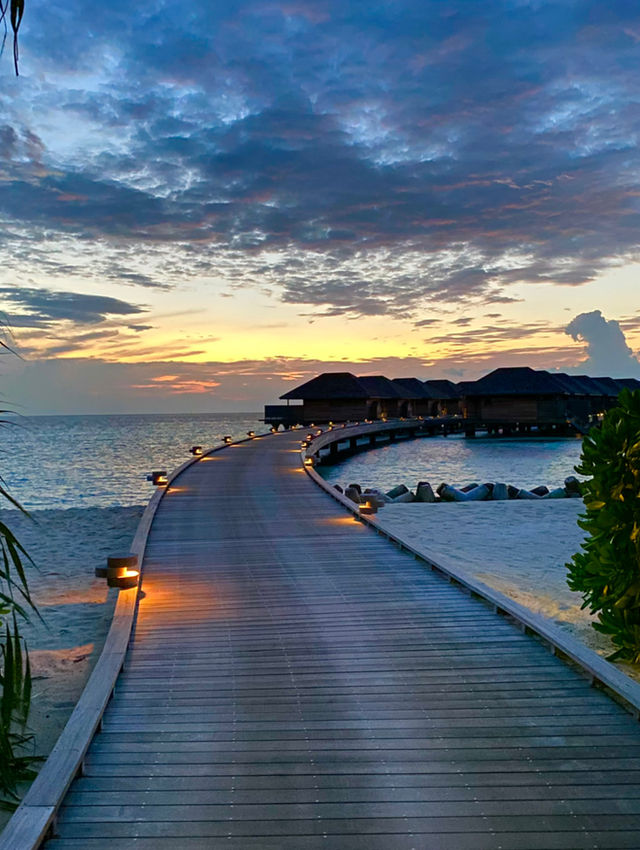
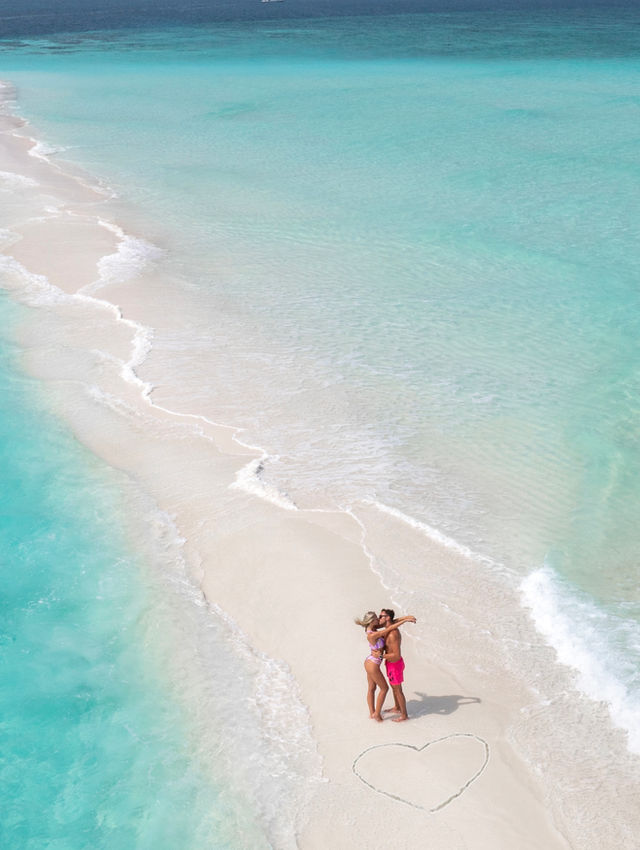
Nine days in the Maldives in August. It rained once, at night, while we were asleep. Not one day was lost, not one excursion cancelled, not one afternoon spent looking at the ceiling of a villa. And August, according to every calendar you will find online, is low season — the wet half of the year, the months you are supposed to avoid.
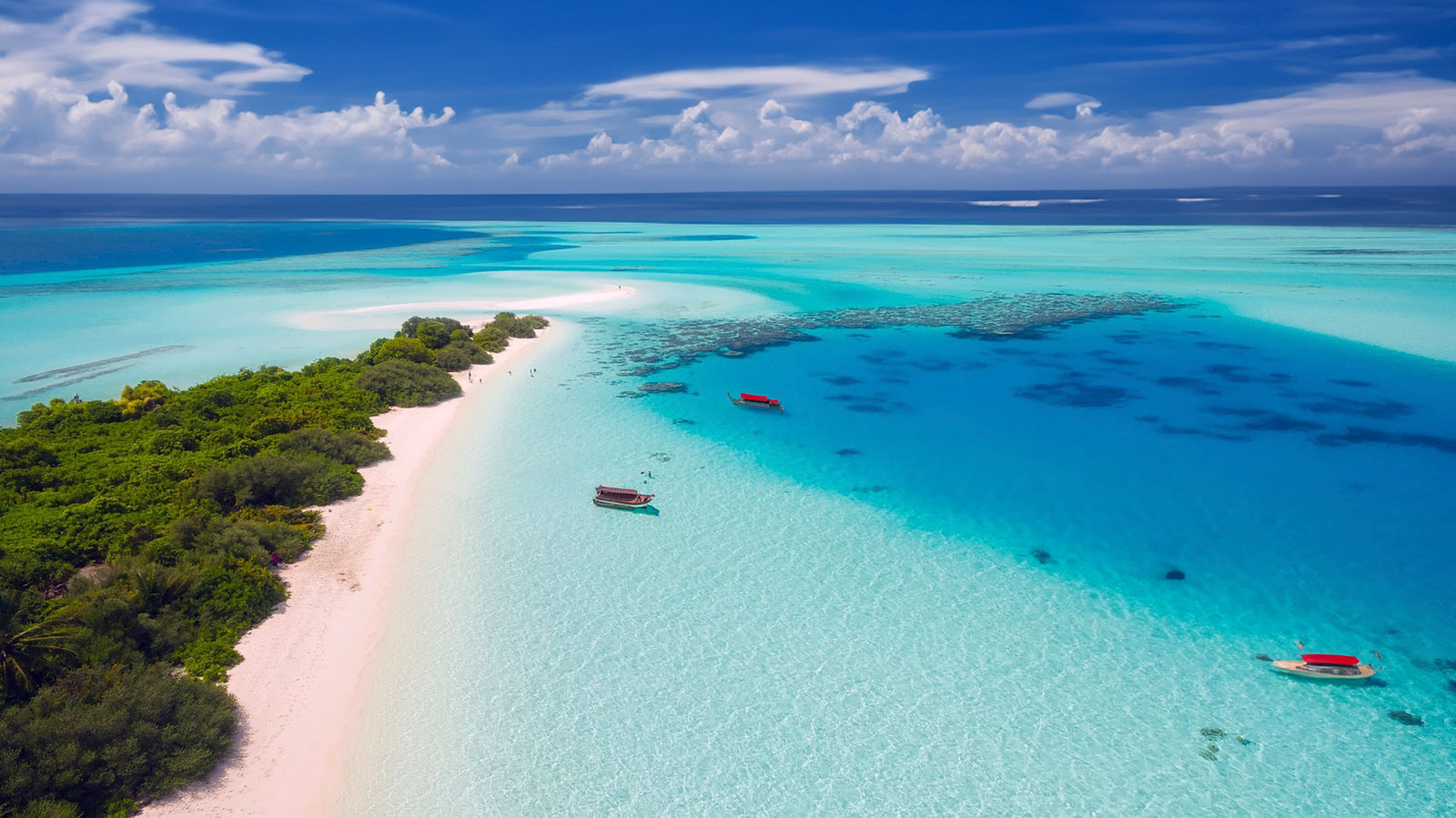
We have now been in most months of the year, and the honest conclusion is this: the old rule that splits the Maldivian year into a good half and a bad half is getting less reliable every season. The weather has been moving. What has not moved is the price list — which is exactly why August is worth a serious look.
What August actually is, technically
August sits in the southwest monsoon, the hulhangu, which runs roughly from May to November. On paper that means around 150 to 180 millimetres of rain across the month, five to seven hours of direct sun a day, air at 25 to 30 degrees and water at 28 to 30. Humidity is high — around eighty per cent — and rain falls on something like thirteen to sixteen days.
Those numbers look alarming until you understand how the rain arrives. It does not settle in for a day. It comes as a heavy tropical shower lasting half an hour to two hours, very often at night or in the early morning, and then the sky reopens. 'Thirteen days of rain' can easily mean thirteen showers you barely notice, not thirteen ruined days.
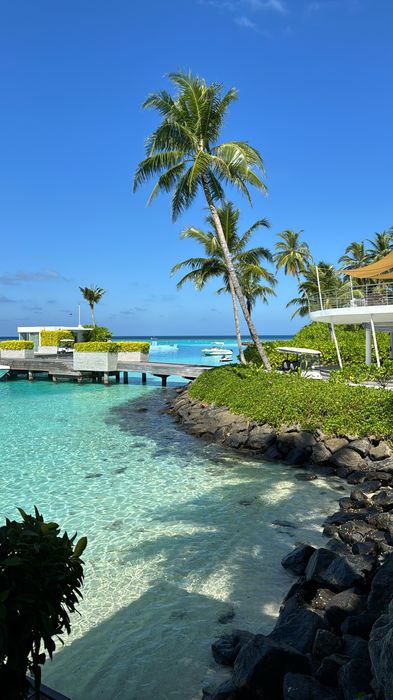
That is what we got: bright, long, blue days, and one night when it poured while we slept. It is not a promise — anyone promising you weather is selling something — but it is far more common than the calendars suggest, and the afternoons tend to be the driest part of the day, especially in the central and northern atolls.
What you gain: prices, and space
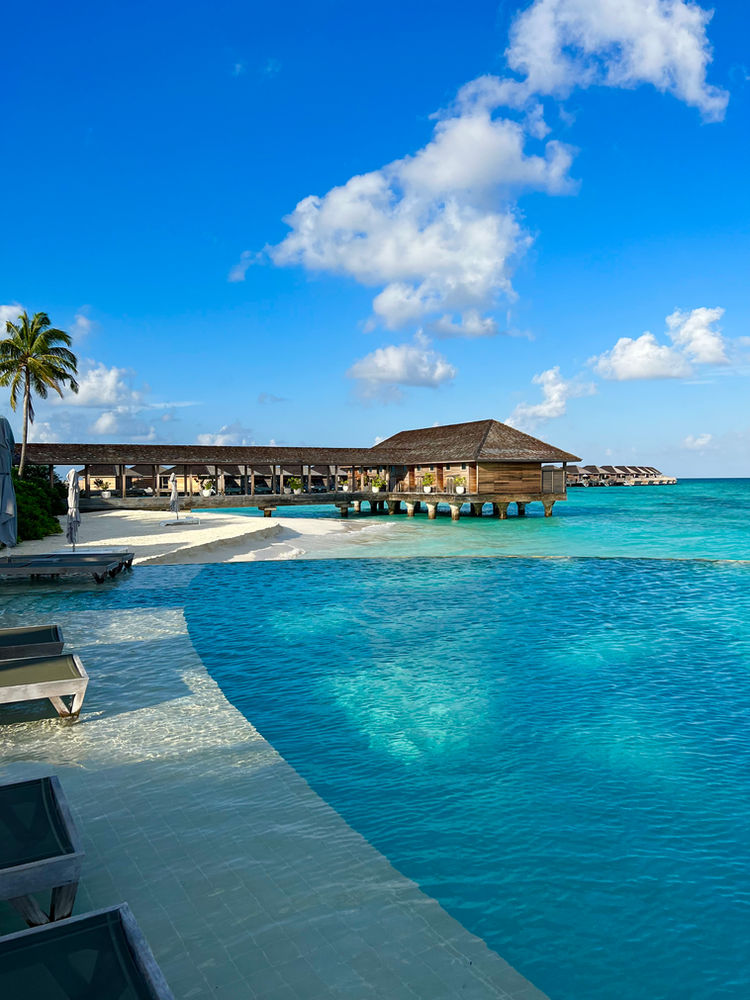
The prices are the real argument. August discounts run in the region of thirty to fifty per cent against peak season, and the islands are noticeably emptier — fewer people at breakfast, no competition for the good sunbeds, a sandbank you can have to yourselves.

As a rough guide to what two people pay per night in August, bed and breakfast:
- Local-island guesthouses: about $90 to $160.
- Four-star resorts: roughly $450 to $750.
- Five-star resorts: roughly $750 to $1,400.
- The ultra-luxury islands: about $1,700 to $3,500.
Those same islands in late December are a different conversation entirely. If your budget puts a particular resort just out of reach in February, August is the month it becomes possible — and the resort is the same resort, with the same reef and the same kitchen.
What you gain that nobody talks about: the mantas
Here is the part that turns August from a compromise into a reason. The southwest monsoon pushes plankton into the eastern atolls, and the plankton brings the giants. Hanifaru Bay, in Baa Atoll, hosts the largest manta ray aggregation in the world, and its peak is from late July to October — dozens of mantas at once, sometimes over a hundred, feeding in a bay you can snorkel in.

The best days cluster around the full and new moon, when the tides are strongest and the food concentrates. Whale sharks are around in the same window. If you are going to the Maldives to be in the water rather than beside it, the wet season is not the price you pay — it is the reason to come.
What you give up
There are real trade-offs, and they are worth knowing before you book rather than after.
- Visibility underwater is lower: roughly 15 to 20 metres in August against the 25 to 30 of the dry season. That same plankton that brings the mantas is what clouds the water.
- Wind. The southwest monsoon means breeze, and on some islands one side of the beach becomes choppy while the other stays flat. Ask which side your villa faces.
- Seaweed and debris wash up more in the wet season, and how much you notice depends entirely on how diligently your resort rakes the beach.
- The odd genuinely grey day. It happens. It is a good day for the spa, and a very good day for the underwater restaurant.
So is it still low season?
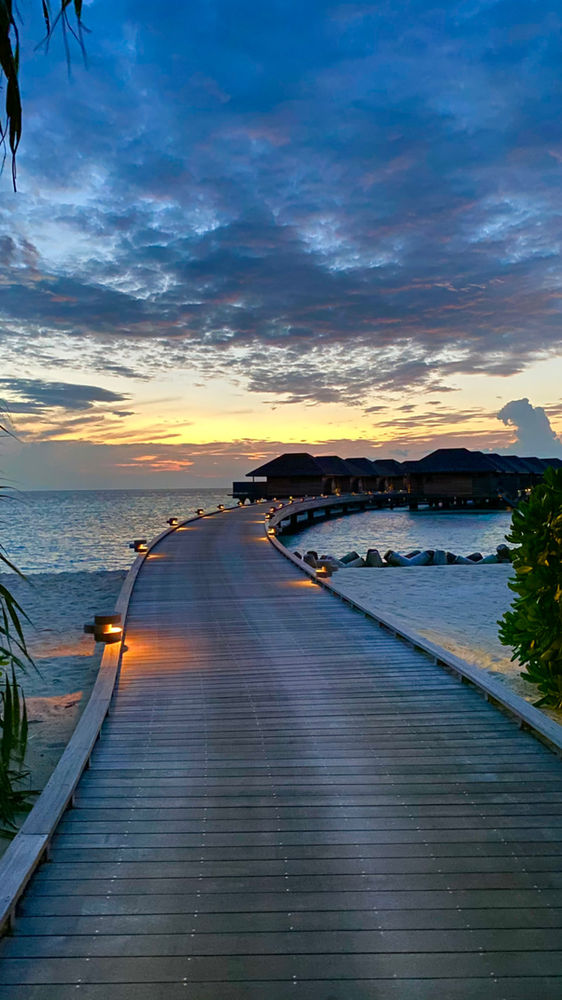
Financially, yes, and that is the good news. Meteorologically, the label is looking increasingly out of date. The seasons have been shifting for years, and 'wet season' now describes a statistical tendency rather than a forecast — we have had a soaking week in February and a flawless nine days in August.
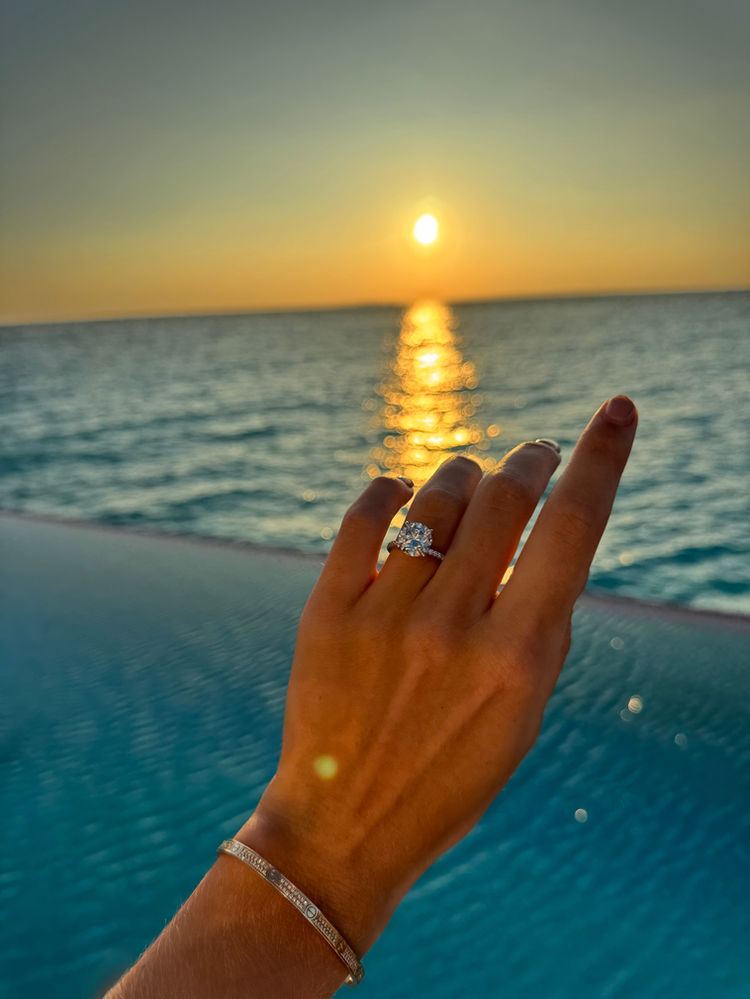
What this means in practice: stop treating the calendar as a verdict. Look at the forecast in the ten days before you travel, book somewhere with a good house reef so the water is worth being in whatever the sky does, and take the thirty to fifty per cent the season hands you.
If you go in August, do this
- Book a resort with a strong house reef, so a cloudy hour costs you nothing.
- Aim for the days around a full or new moon if the mantas matter to you, and choose an eastern atoll — Baa above all.
- Ask which side of the island is sheltered during the southwest monsoon, and ask for a villa on it.
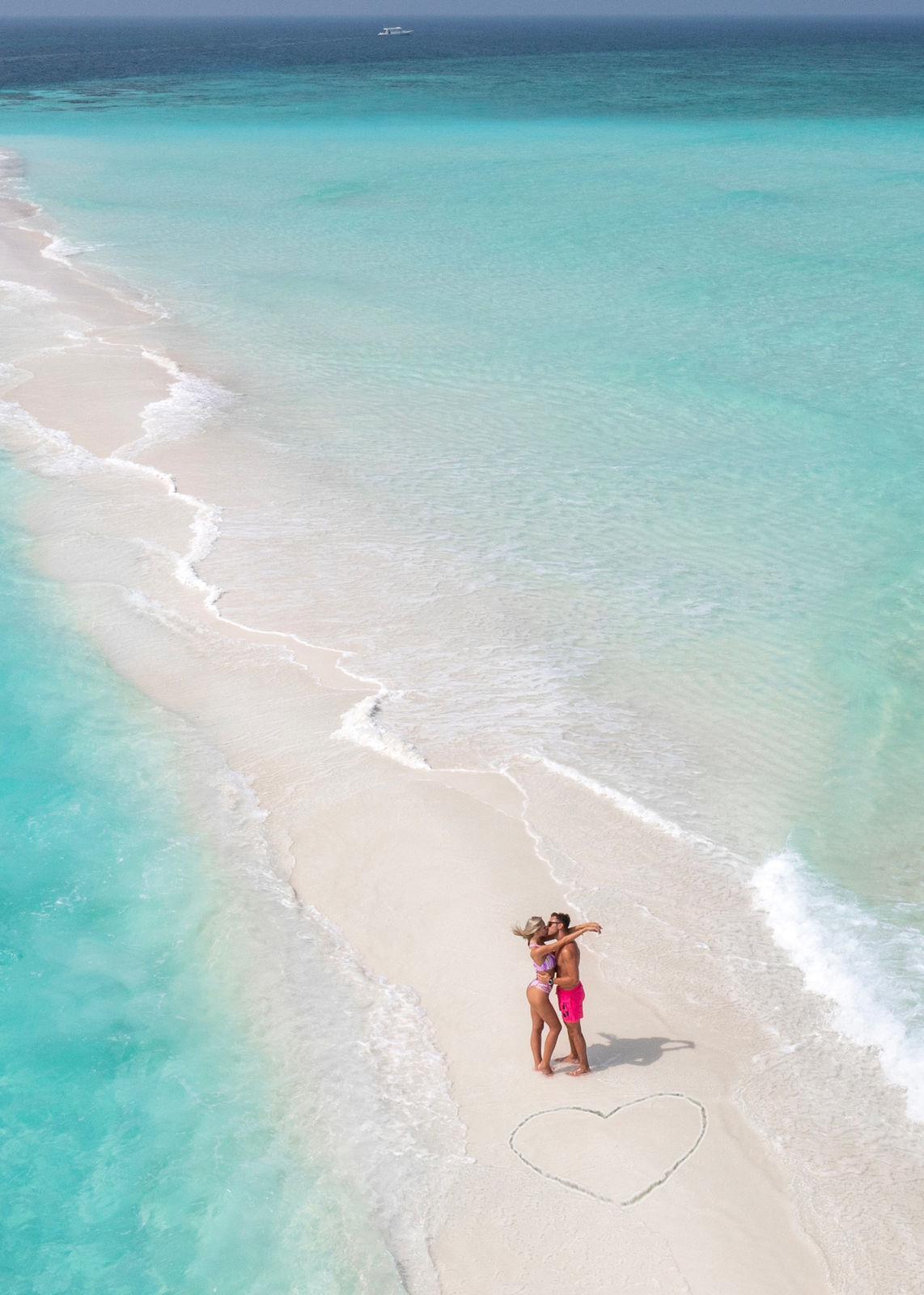
- Plan the outdoor set pieces — sandbank picnic, sunset cruise, photo session — early in the stay, so a lost afternoon can be moved rather than cancelled.
- Travel with insurance that covers weather disruption on transfers, because a seaplane will not fly in a storm.
And once the month is settled, the island matters more than the month: which reef, natural island or reclaimed, what the price actually buys. That is the other half of this decision — Are All Five-Star Maldives Resorts the Same?